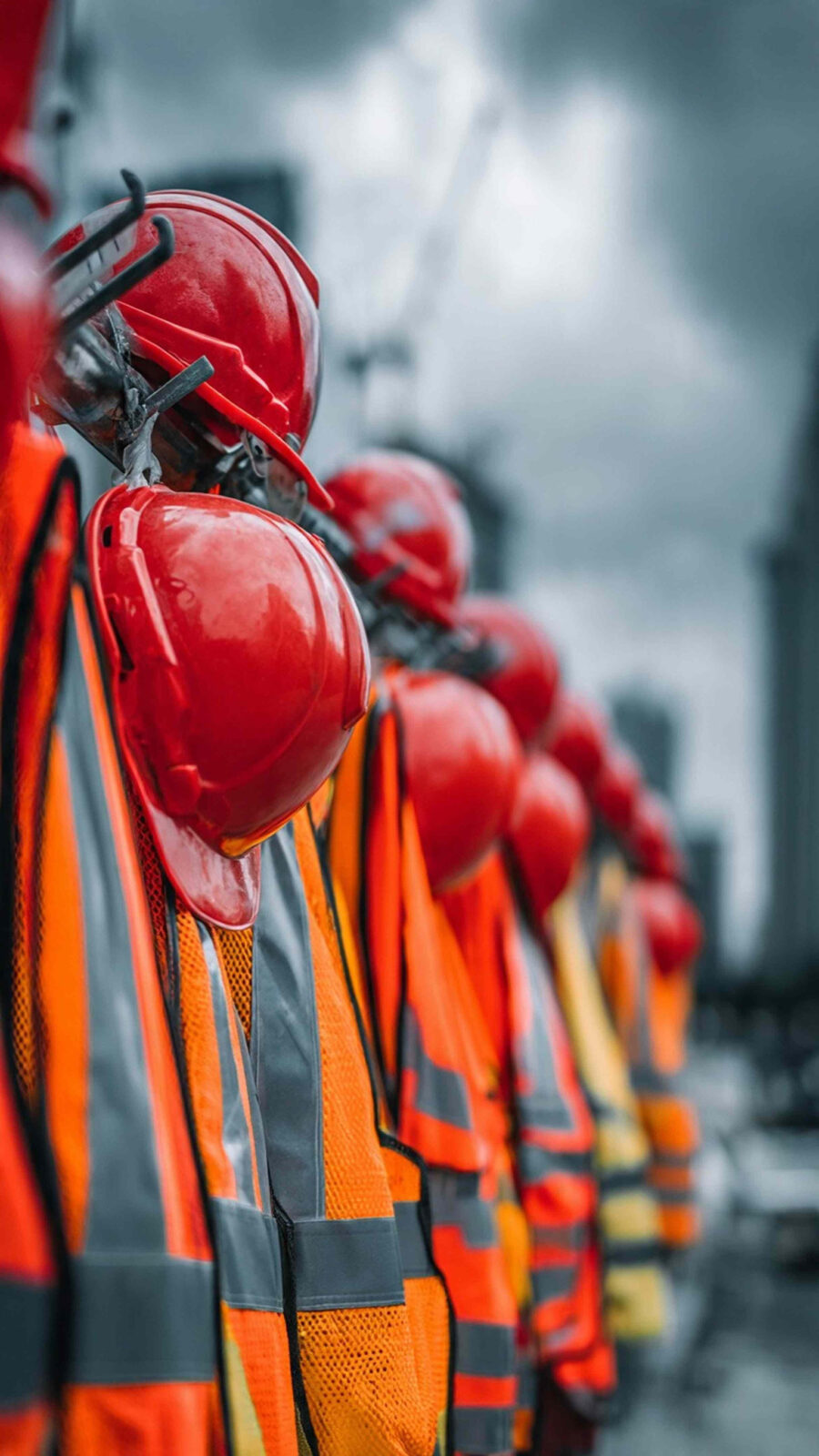
At K&H Construction, safety is not a checkbox or a compliance requirement. It is the foundation everything else is built on. Since our founding in 2001, we have not simply kept pace with industry standards — we set them for ourselves before they became standard practice. High-visibility reflective gear, steel- or composite-toe boots, and rigorous site protocols were part of our culture long before they became common expectations across the industry. While others were catching up, we were already moving forward. That is the difference between treating safety as a rule to follow and treating it as a value you refuse to compromise on.
A Small Company With a Big Safety Culture
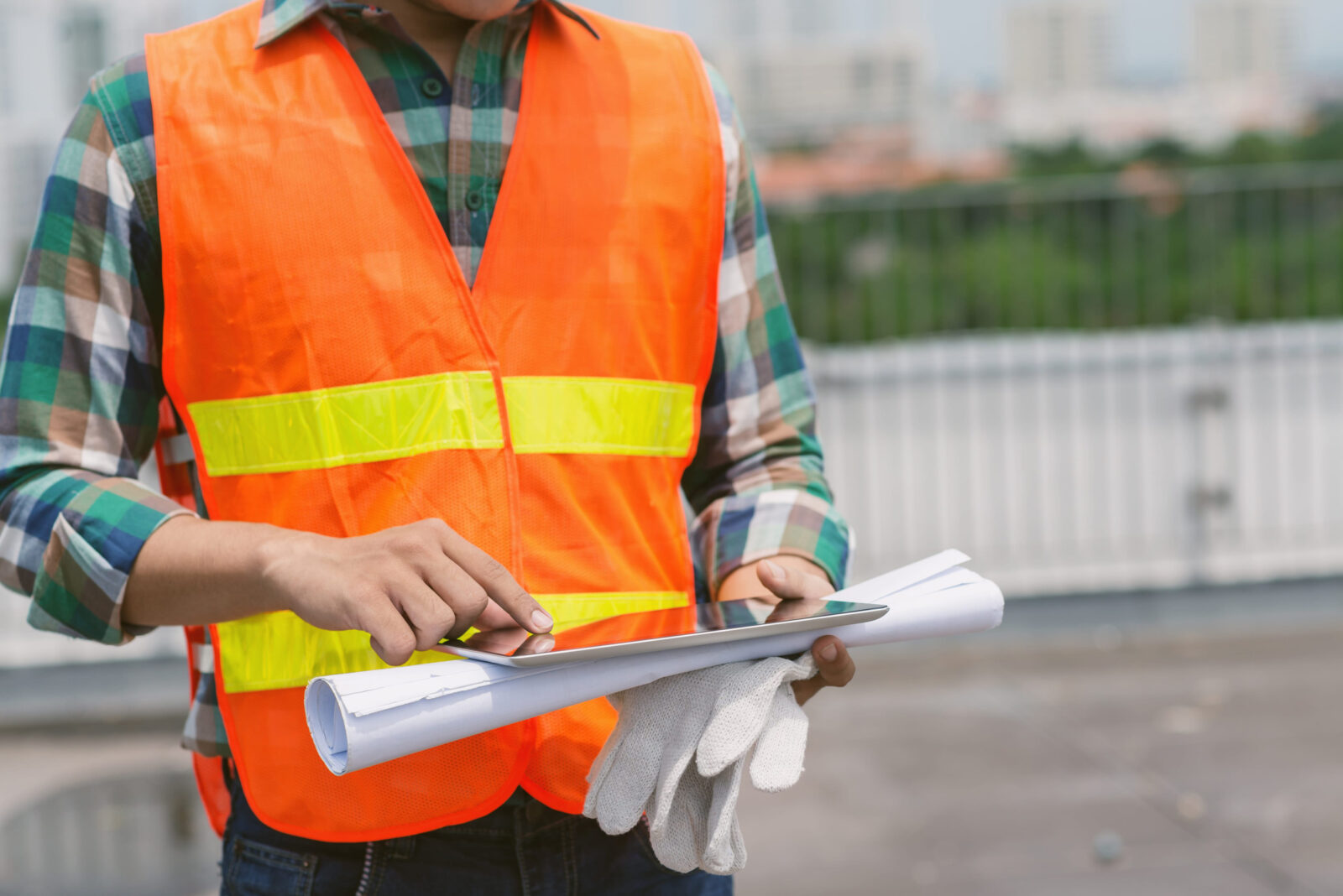
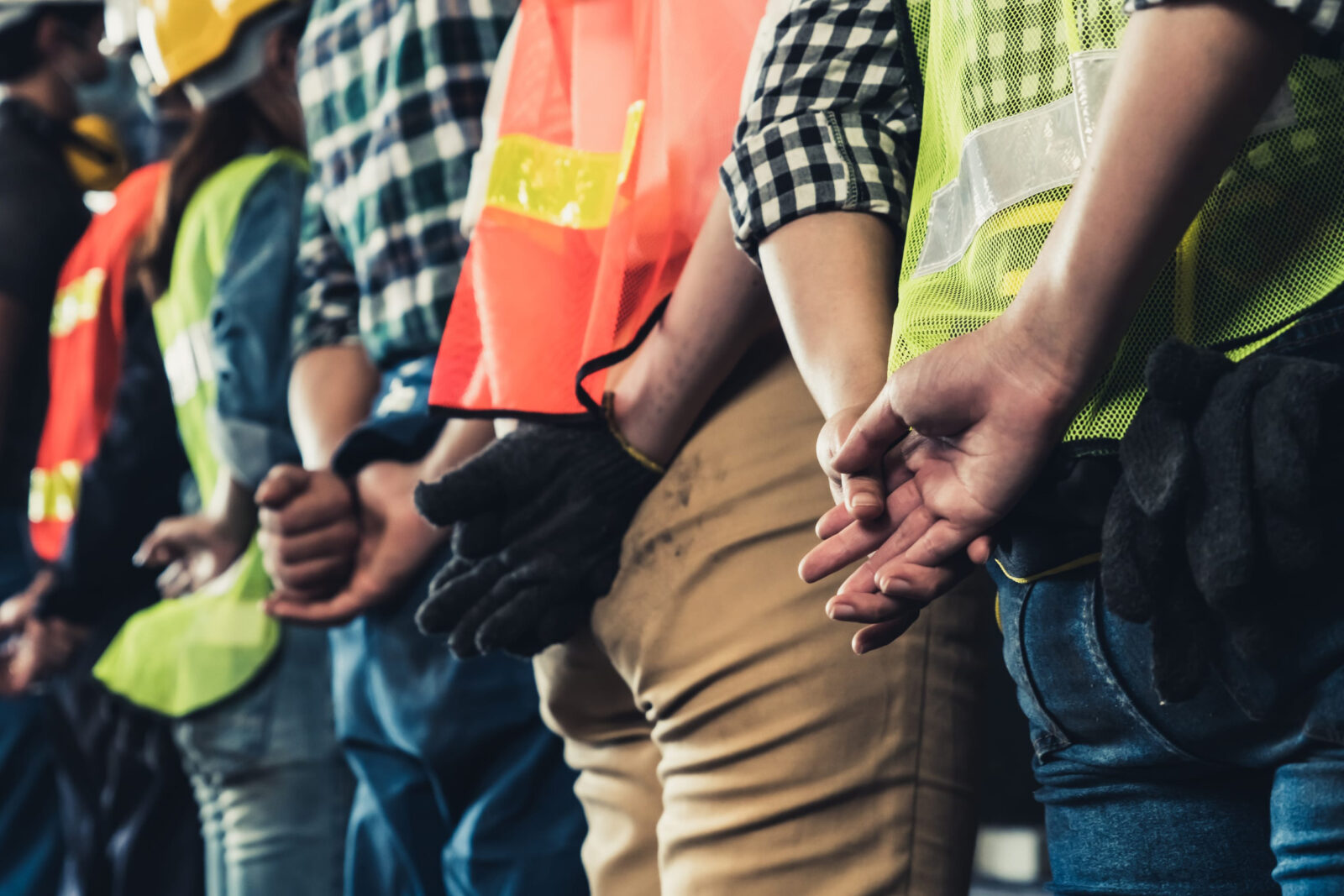
Being a smaller company is one of our greatest strengths when it comes to safety. We do not have a dedicated safety superintendent on staff, and that is intentional. Every person on our crew holds the authority and the responsibility to stop work the moment something looks unsafe. There is no hesitation, no pressure to push through, and no waiting for approval. Our highest priority is simple: every employee returns home safely to their family at the end of the day.
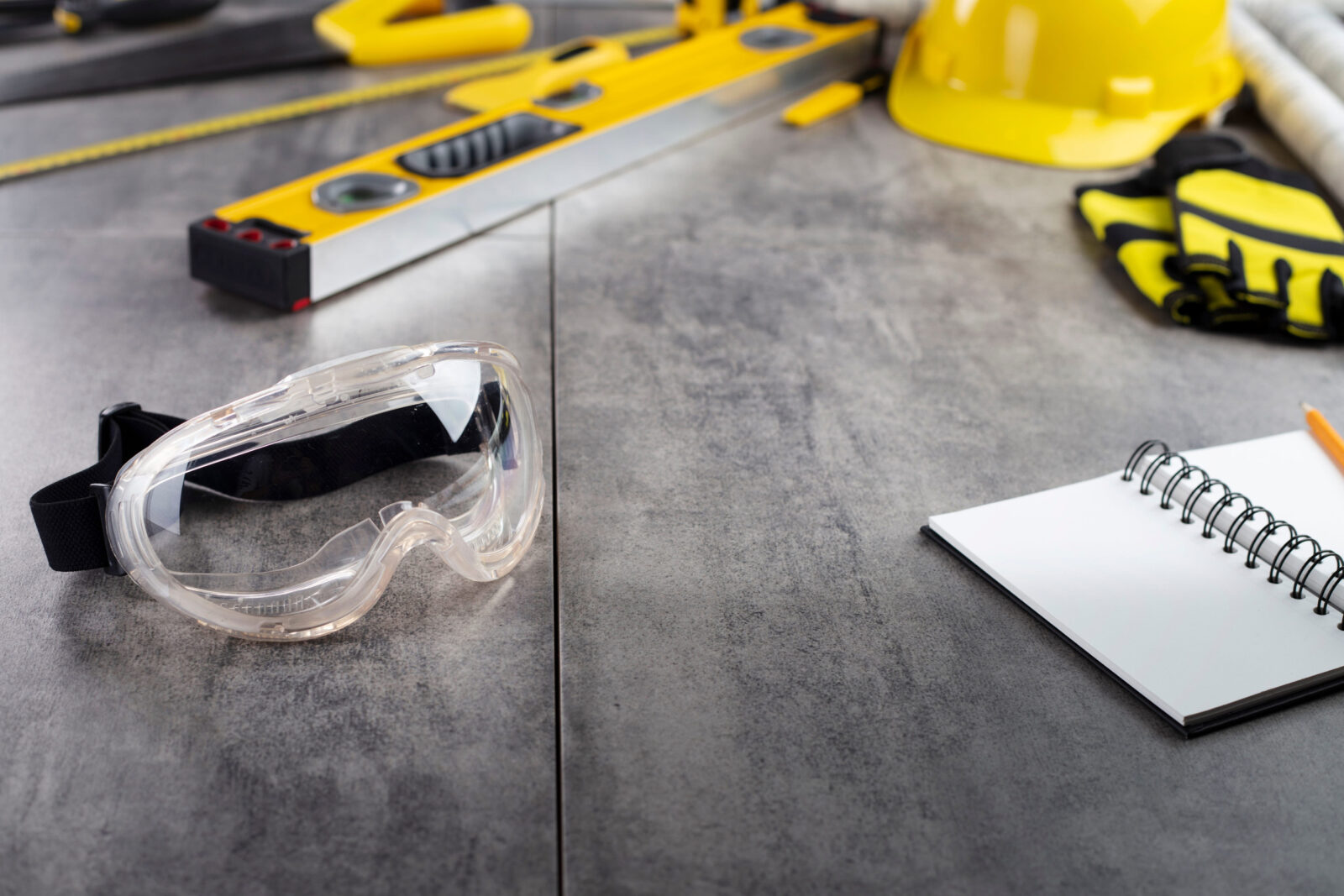
That culture is backed by thorough preparation. Before setting foot on a jobsite, our team members are trained in CPR and First Aid, OSHA 10, and Fall Protection. Many carry additional or more advanced certifications, including OSHA 30, Excavation Subpart, Confined Space, HazComm, and Rigging and Signalperson training. We treat these qualifications as an ongoing investment in our people rather than a box to check once.

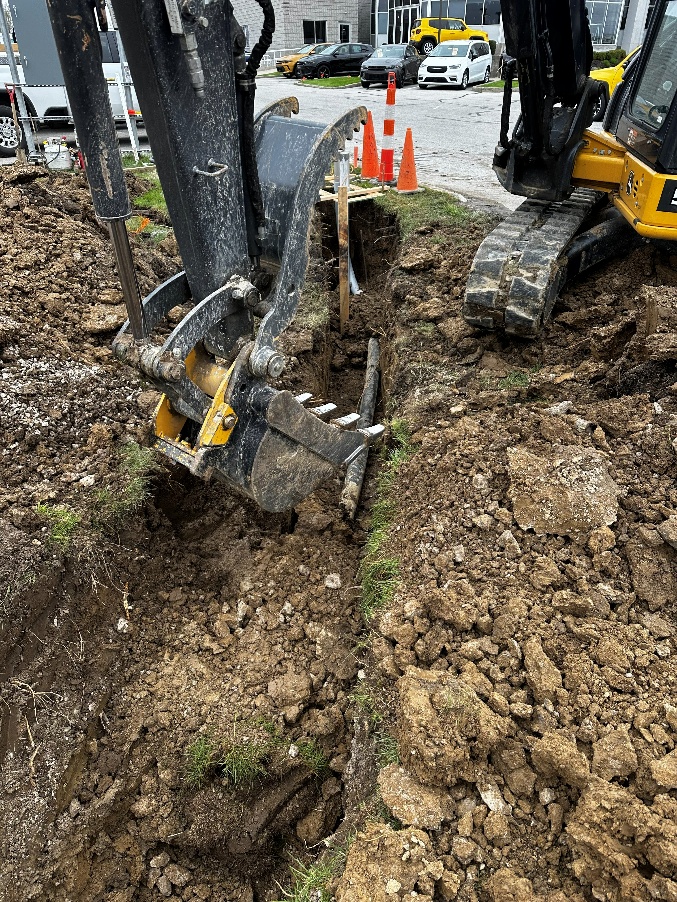
Two real situations show what stop-work authority looks like in practice. On one project, while tearing down an abandoned building, our crew prepared to cut conduit and discovered that power to the structure had never been shut off. Work stopped immediately until the line was confirmed safe. On another job, we struck a gas-carrying cable while drilling a caisson. The line should have appeared on a public locate but did not. Rather than assume anything, we halted work and called Nipsco to verify the line was dead before continuing.
Planning, Screening, and Accountability
Careful preparation prevents most problems before they start. Each day begins with a job briefing, and we complete Task Hazard Analysis throughout the day as conditions change. When our work brings us near an active roadway, we always use or hire appropriate third-party traffic controls to protect both our crew and the public. Our commitment extends well beyond the field. Every employee undergoes a background check, with especially detailed reviews for the state police jobs we support, along with a drug screen. We maintain a strict zero-tolerance policy that every team member honors. Our drivers complete DOT physicals at scheduled intervals, and each year our consultant reviews Motor Vehicle Records to confirm everyone meets the standard. Operating heavy equipment carries real risk, so we train our people to run it in the safest manner possible. For our horizontal directional drilling work, we follow a detailed multi-step checklist that leaves nothing to chance. We will never cut a corner to finish faster if doing so compromises safety. That principle has guided us since 2001, and it will continue to shape every job we take on.